

Boundaries: geoBoundaries / DataMeet India maps, CC BY 2.5 IN.

LASTING
IMPACT
Integrated Report 2026
Explore the Report
A record-breaking year across every key metric — from waste managed and energy produced to farmers reached and zero incidents of misconduct.
For every tonne of CO₂e emitted across Scopes 1, 2 and 3, GPSR's biogas avoids 8 tonnes elsewhere by displacing fossil fuels (GWP100).
The scale of the build-out, through JVs with India's largest oil PSUs: Indian Oil Corp Ltd (IGRPL) and Bharat Petroleum Corp Ltd (BGBPL).
The most organic waste managed in our history — 37% more than FY25. This agri-residue was prevented from being burned.
Zero fraud, corruption, or bribery, alongside zero open whistleblower, POSH, or employee-grievance cases in FY26.
Avoided emissions from fuel substitution (GWP100) — the core climate impact of our biogas operations.
Across Punjab, Haryana and Uttar Pradesh through our GIZ develoPPP partnership. 100 local operators trained to run CBG plants.
Every commitment tracked, every outcome reported. Here is what we promised and what we delivered.
Since 2012, GPS Renewables has grown from a bootstrapped startup to India's largest biogas company.
GPS Renewables bootstrapped.
BioUrja decentralised biomethanation solution launched for bulk waste generators.
100+ installations
GPS AI Biogas Bot launched.
Climate Software Labs established in Thiruvananthapuram.
Climate Software Labs established in Thiruvananthapuram.
Series A from Triodos & Caspian.
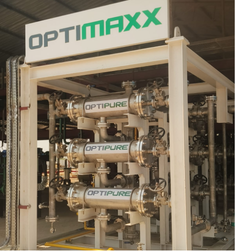
OptiMaxx internal equipment division born.
GPSR Arya launched.
Series B from Neev Fund.
Asia's largest SSO-based RNG Project.
Acquired Proweps Envirotech GmbH.
Optimaxx bags ₹100 Cr order book in year 1.
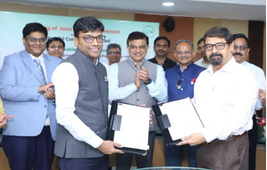
50:50 JV formation with IOCL.
9 IOC-GPS (IGRPL) projects commenced
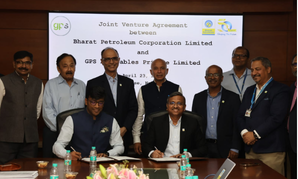 50:50 JV formation with BPCL
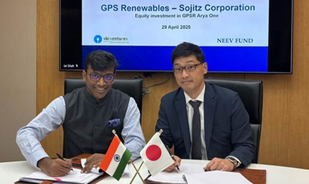 Development investment from Japanese conglommmmerate Sojitz
Series C: ₹635 cr raised. NTPC EPC order. Equity from Korean conglomerate.
₹1,055 cr revenue.
GPS Renewables creates value across six interlinked capitals, which map directly to our core business model — from the residue in the field to the energy and value that come out from our plants.
What the land gives, what we keep out of the air

In FY26, GPS Renewables processed 2,22,941 tonnes of organic waste in an environmentally sound manner, the highest annual volume in the company's history, and well above the 1,62,953 tonnes of FY25.
Against that, the business reports 16,334 MT CO₂e of avoided emissions from fuel substitution. This is lower than prior years as it covers only the paddy-straw plants, several of which were still ramping up through the year. The Indore municipal solid waste-to-CBG plant — a large contributor to earlier avoided-emissions totals — was handed over in September 2024 and no longer forms part of GPSR's reported impact.
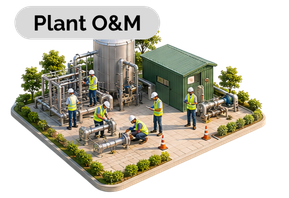
The infrastructure that turns waste into energy
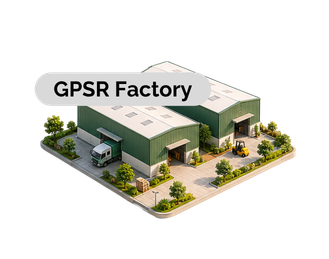
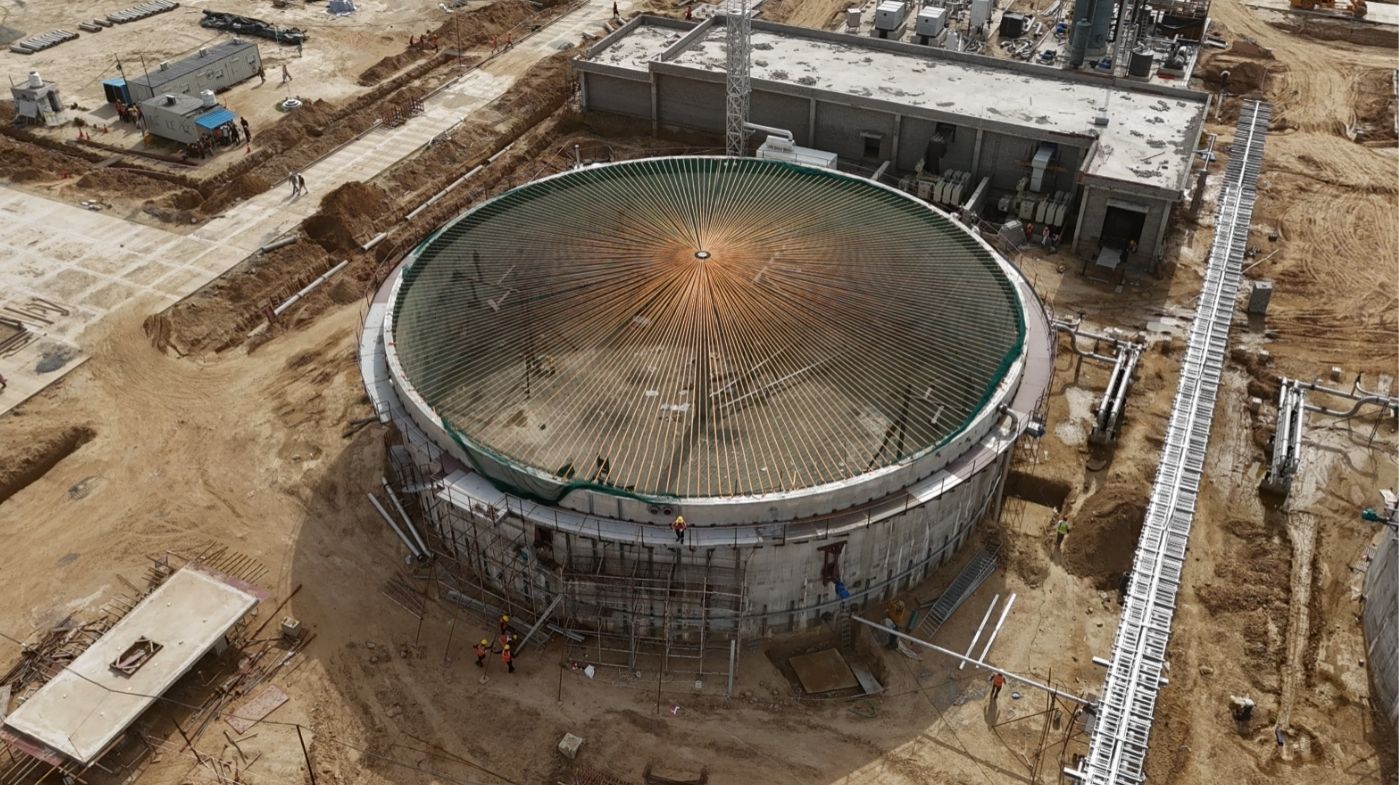
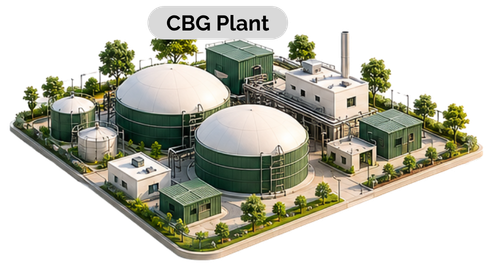
CBG plants operating across 10 states
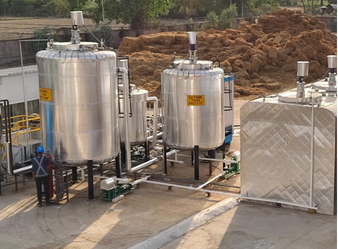
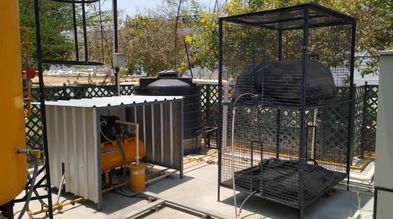
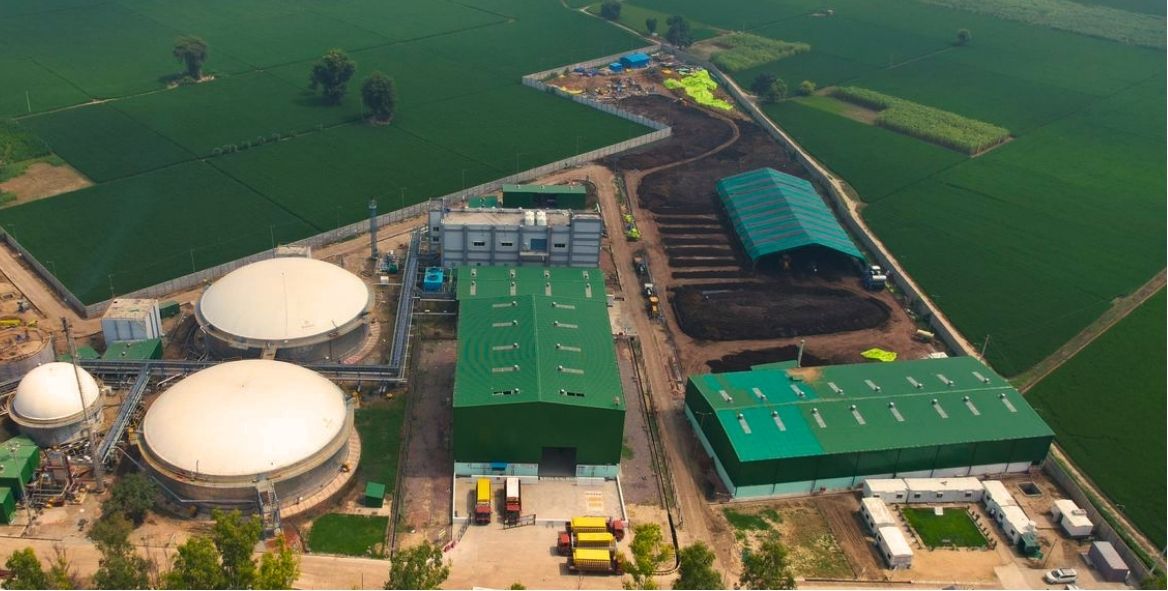
Through FY26, GPSR built and operated a growing network of compressed biogas plants, with sites commissioned and ramped up. By the second half of the year, the fleet spanned 10 states, alongside earlier plants and the BioUrja food-waste facilities.
The systems only GPS Renewables has built
GPSR's differentiation is in our proprietary tools, applications and technologies, as much as the process. The company has developed three patented processes to enhance feedstock and gas production, and one for our in-house developed tamper detection tool. It has a dedicated R&D centre in Bangalore. Our in-house ESG risk-assessment tool uses satellite data sources to assess land use and land cover, NDVI, drought and groundwater stress, among other IFC Performance Standards screening framework. The GPS-built HSE Manager application runs safety management end-to-end. The GPS Arya ESGMS manual governs every project undertaken by the subsidiary.
The people who move us

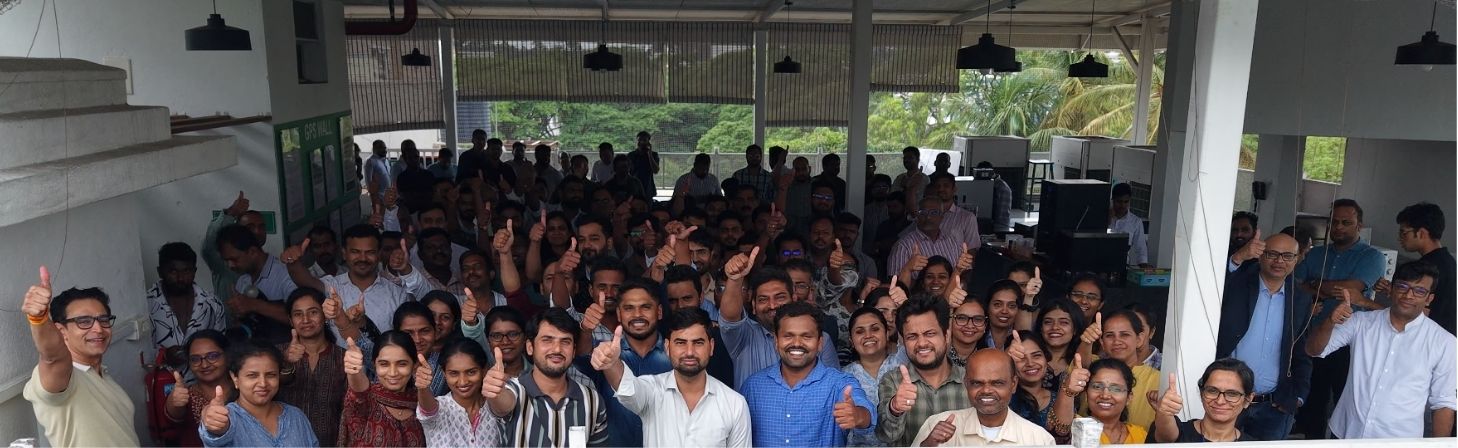
GPS Renewables closed FY26 with 770 people on-roll, with a net addition of 75 permanent roles and supported by 1,763 subcontractor FTEs across project sites.
Our policies acknowledge that people lie at the heart of everything we do, and their wellbeing directly ties to the company's. From safety measures, to updated DEI policies, GPSR constantly evolves its employee-first approach.
What goes back to farmers, fields and local communities
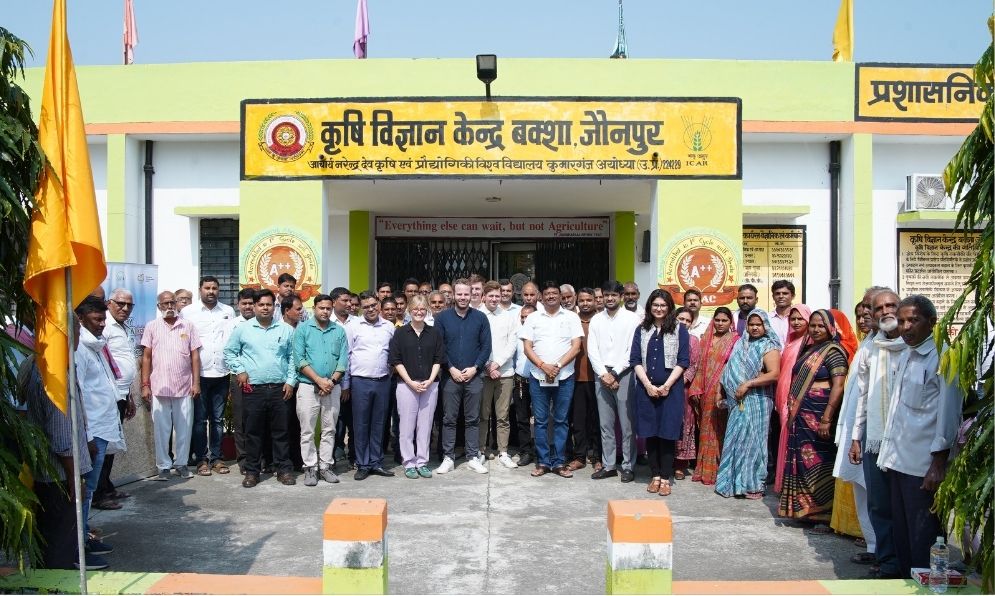
The clearest measure of the social capital developed in FY26 is our reach into the farming community: 3,000+ farmers and farmer groups across Punjab, Haryana, and Uttar Pradesh engaged through our partnership with German developmental organisation Deutsche Gesellschaft für Internationale Zusammenarbeit (GIZ), under the develoPPP programme. Around 100 operators have been trained for biogas operations, with GPS Renewables absorbing around 10 of them in operator roles.
Beyond the supply chain, GPS Renewables also convened the wider climate ecosystem through The Boring Climate Podcast and India's first dedicated CCUS convention, Boring Deeper.
The value that sustains everything else
GPSR's FY26 capital base is defined by its 50:50 joint ventures with IOCL and BPCL, an EPC order from NTPC, development investment from Sojitz, equity from a Korean conglomerate, and a ₹635 crore Series C. All this funds our scale and build-out of over 50 plants, both operational and under construction.
Boundaries: geoBoundaries / DataMeet India maps, CC BY 2.5 IN.
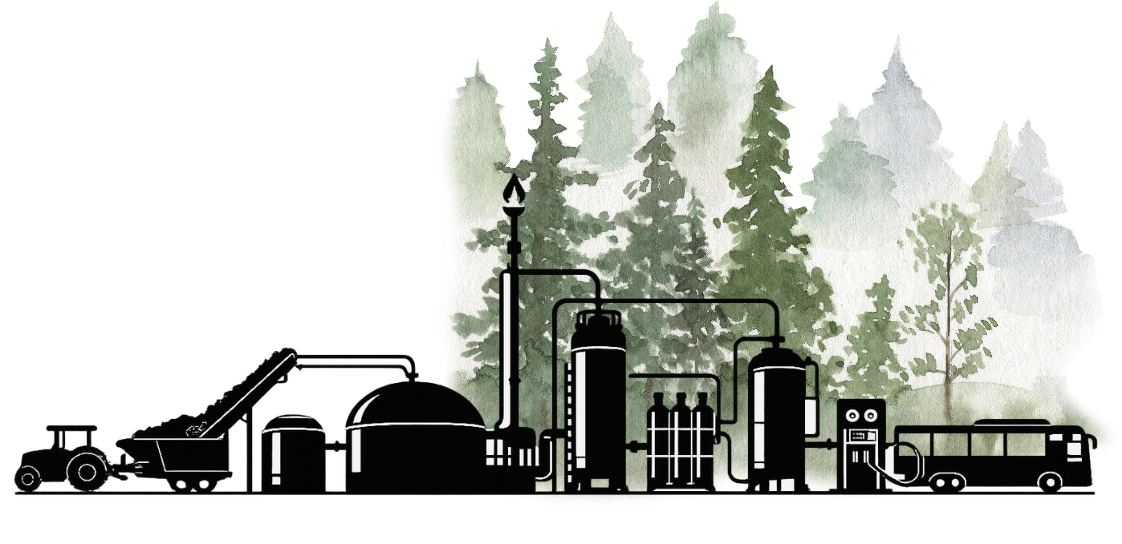
GPS Renewables sits at the centre of a chain that begins in the field and ends in a fuel tank, creating value on both sides of the plant gate.
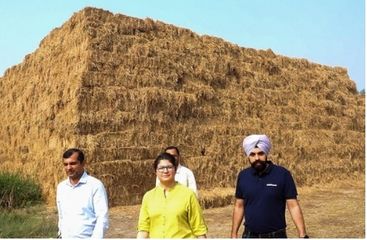
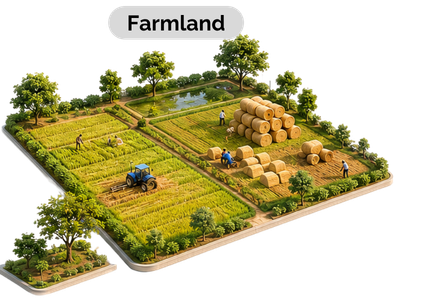
Agricultural residue and organic waste that would otherwise be burnt or sent to landfills. We build sourcing networks with farmers and farmer-producer organisations.
feedstock at BioCNG plants (mainly paddy-straw)
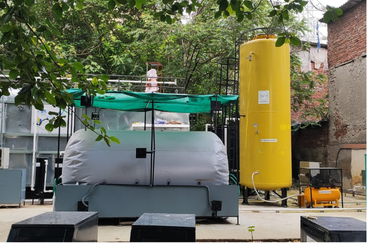
Inside the digester, residue is converted through anaerobic digestion to raw biogas, then upgraded to compressed biogas (CBG/BioCNG).
gas generated at BioCNG plants + 500 MT at BioUrja
CBG displaces fossil CNG in transport and industry. Digestate flows back to farmers as fertiliser — closing the nutrient loop.
three forms of value from every plant
Project Distribution Across India
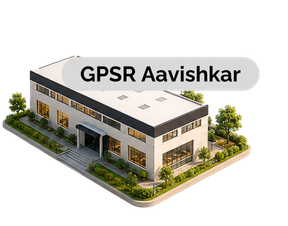
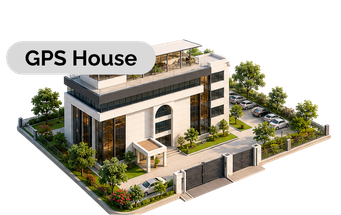
GPS Renewables identifies itself as an engineering and science company. Design and engineering offices in Bengaluru, Gurgaon, Mumbai, and Stuttgart, supported by an advanced manufacturing facility.
The Result: A full-stack engineering capability spanning:
Early-phase studies, feasibility analysis, feedstock characterisation, mass and energy balances, plant sizing.
In-house teams integrate process, mechanical, civil, structural, electrical, instrumentation, and piping disciplines.
Technical evaluation of vendor documents, equipment specifications, compliance with project standards.
Engineering support during execution, site queries, red-line markups, punch list resolution, and commissioning assistance.
Quality Control Infrastructure
Quality Assurance Plans tailored for each project and major equipment type
Inspection and Test Plans with detailed verification protocols at critical stages
Factory Acceptance Tests — rigorous testing before equipment deployment
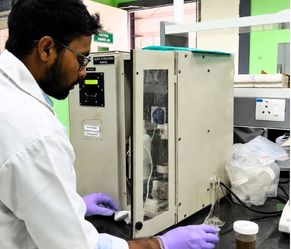
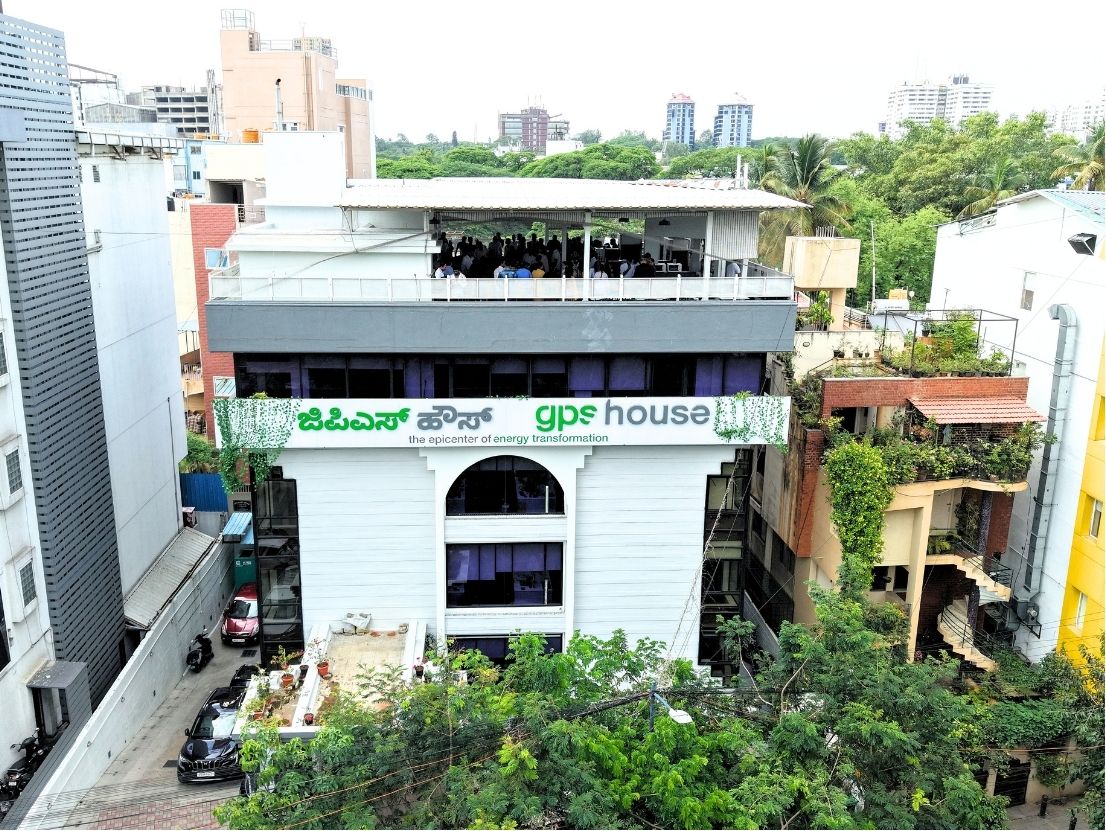
GPS Renewables set up its first R&D facility at Bengaluru's Jigani industrial estate in FY26. This state-of-the-art lab combines our Research & Development team from Pune and Bengaluru under one roof.
Patent Portfolio
Valid for 20 years from April 2014. Currently in use and not available for licensing.
Valid for 20 years from January 2017. Currently in use and available for licensing.
Valid for 20 years from April 2014. Currently in use and not available for licensing.
R&D Pipeline Targets
8x CO₂e avoided for every tonne emitted (GWP100) — GPSR's biogas displaces fossil fuels and prevents agricultural residue from burning.
For every tonne we emit across Scopes 1, 2 & 3, our biogas avoids 8 tonnes elsewhere (GWP100)
Avoided by substituting natural gas. Down from 294,372 MT in FY25 as Indore plant handed over
From food waste diverted away from landfills to BioUrjas across the country (GWP20)
At operational client sites — 13,951.6 MT in FY26 vs 6,121.2 MT in FY25
In biogas production — 2,19,882 tonnes in FY26 vs 87,315 tonnes in FY25
Processed in FY26, preventing methane release from landfill (vs 3,098 tonnes in FY25)
FY26 Operational GHG Emissions
FY26 emissions are reported under the GHG Protocol's operational control approach and cover GPS Renewables' own corporate operations (offices and manufacturing facility) and associated travel and logistics. Operational emissions of the CBG plants we build and operate are excluded from the current boundary.
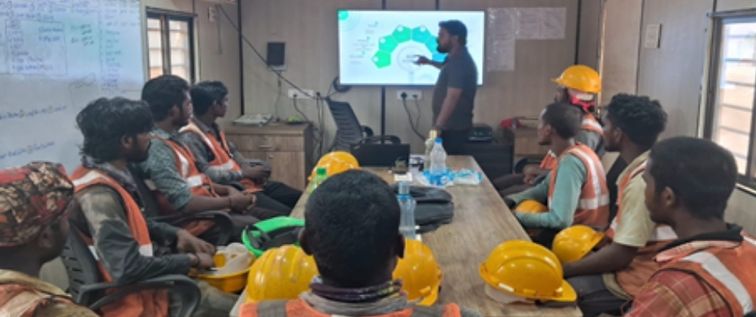
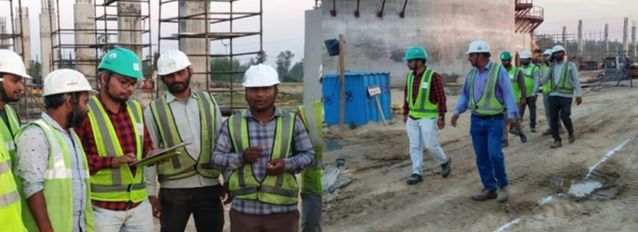
770 people on roll. 1,763 subcontractor FTEs. A 61.8% youth workforce. Safety-first culture with 111 hours of training per contractor FTE.
HSE Training Delivered — FY26
Gender Diversity — FY26
2030 Targets
Employee Wellness — DRIVE Policy
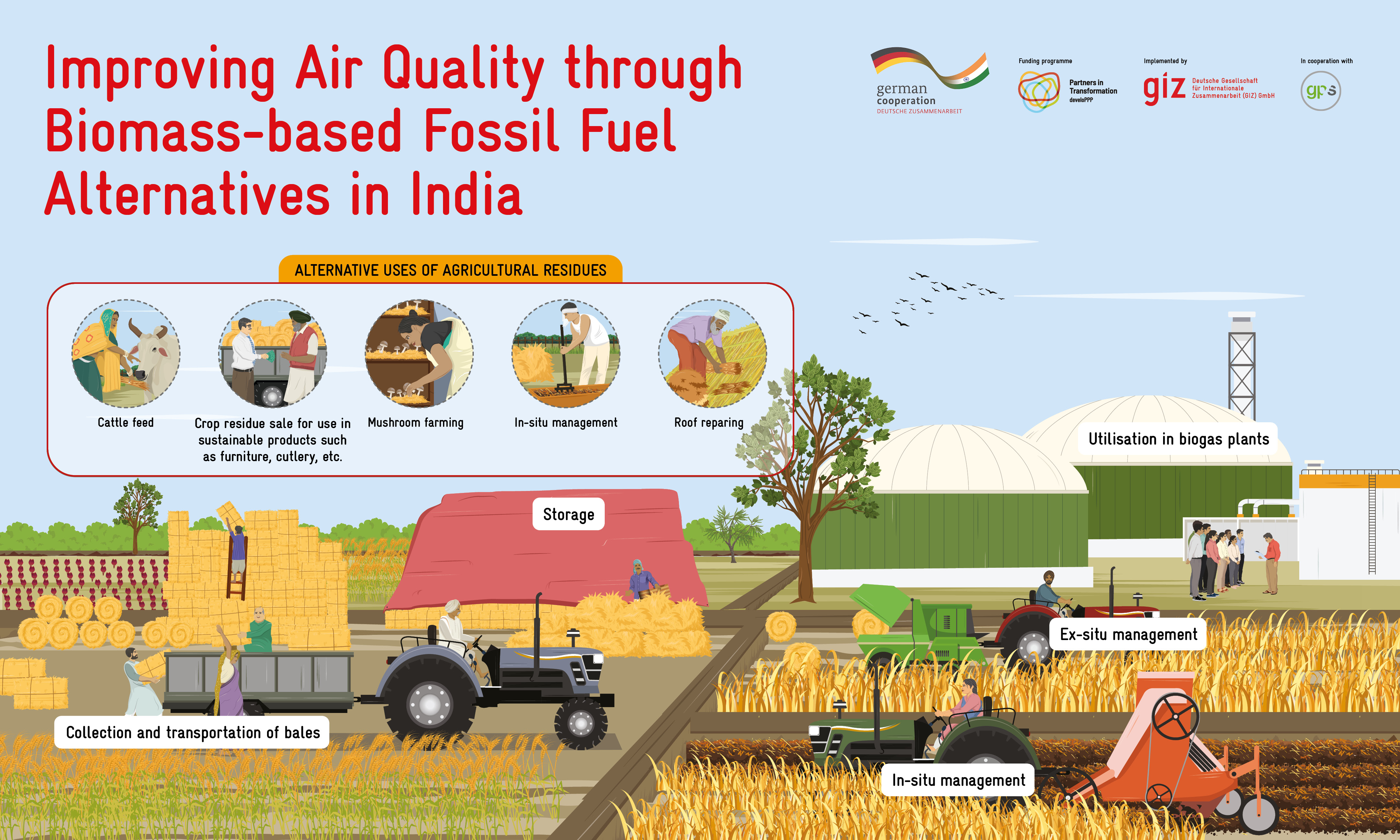
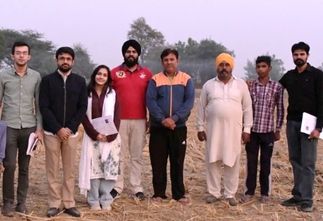
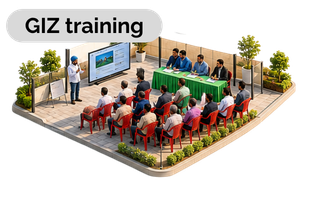
Through the GIZ develoPPP programme — backed by Germany's Federal Ministry for Economic Cooperation and Development (BMZ) — we build sustainable feedstock-management models with local farmer organisations across Punjab, Haryana, and Uttar Pradesh.
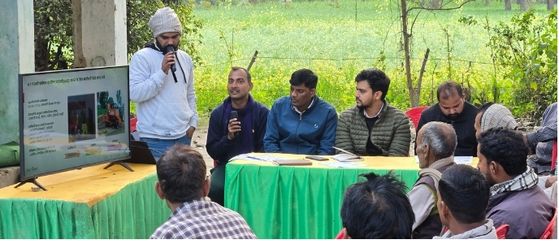
Through focus-group discussions, awareness training, and field engagement
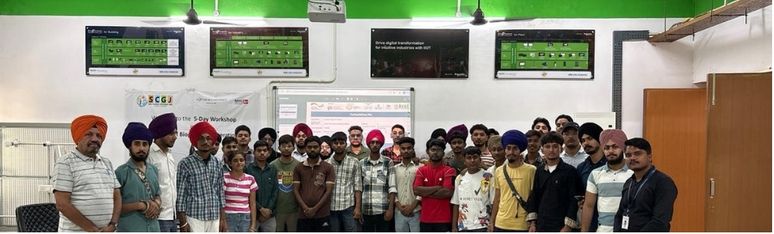
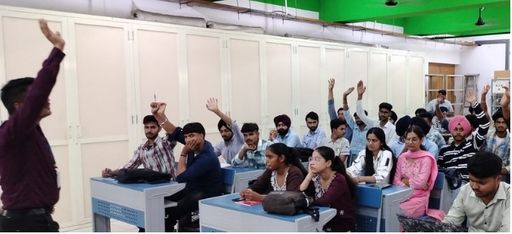
Under the Training-of-Trainers (ToT) programme for biogas-plant operations
Conducted across Punjab (Moga, Ludhiana, Sangrur), Haryana, and UP
Farmer Producer Organisations to anchor the supply network
Supported for biogas system installations
Strong corporate governance is a cornerstone of GPS Renewables' philosophy. The Board sets and upholds the standards of ethics for employees, officers, and directors.